Physics Games Built on Realistic and Chaotic Motion
Physics Games focus on how objects move, collide, fall, and react. Gameplay is driven by gravity, momentum, balance, and force instead of fixed animations. Games like Drive Mad or Slippery Slope turn simple movement into a challenge where one small mistake can send everything out of control.
Unpredictable Results from Simple Actions
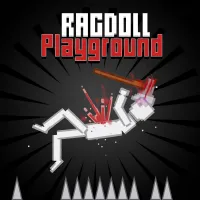
In Physics Games, the same action can lead to different outcomes. Jumping, pushing, or driving does not always behave the same way. Titles such as Ragdoll Hit and Ragdoll Arena highlight this by using loose character physics where bodies react in exaggerated and often chaotic ways. This unpredictability is part of the fun.
Skill Through Control, Not Precision Timing
Unlike rhythm or platform games, Physics Games reward understanding motion rather than perfect timing. In games like Rocket Goal or Car Chaos, players learn how speed, angle, and impact affect results. Mastery comes from controlling unstable movement, not memorizing patterns.
Physics-Based Challenges Across Genres
Physics mechanics appear in many styles. Curve Rush 2 uses smooth motion and gravity-based curves, Slime Laboratory focuses on weight and elasticity, while Wheelie Master and SoFlo Wheelie Life rely on balance and center of mass. Different genres share one core idea: physics drives every outcome.
Why Physics Games Feel So Satisfying
Physics Games feel rewarding because success looks and feels earned. When you land correctly, stay balanced, or survive chaos, the result comes naturally from the game rules. This creates moments that feel funny, tense, or impressive without scripted events.