Idle Games Built Around Passive Progress
Idle Games focus on progress that continues with minimal input. Players start simple actions, then watch resources grow over time. Games like Kiwi Clicker and Chicken Clicker show the core idea clearly: actions generate value, and value keeps increasing even when activity slows down.
Click, Upgrade, and Let the Game Run
Most Idle Games begin with manual actions such as clicking or tapping. In titles like Fun Clicker or Tung Sahur Clicker, players actively generate resources at first, then unlock upgrades that automate progress. Over time, the game shifts from active play to management and optimization.
Growth Through Numbers and Systems
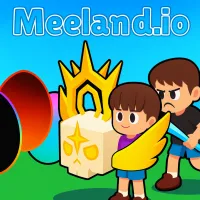
Idle Games are driven by numbers. Coins, points, income rates, and production speed increase step by step. Games such as Tap Rich Idle and Meeland.io focus on scaling systems, where small upgrades slowly turn into massive growth. Progress feels steady and predictable.
Low Pressure, Long-Term Progress
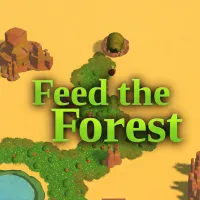
Unlike skill-based or reaction-heavy games, Idle Games do not punish slow play. Players can step away and return later to see accumulated rewards. In games like Feed the Forest, growth continues in the background, creating a relaxed and low-stress experience.